I soon will be leaving Memphis for a new home in Ohio. We have been in Memphis for twenty-four good years, but it’s time for us to return to the Midwest.
Memphis has been a fascinating
location for someone who studies religion and tourism. Places like Elvis’s Graceland and Sun Studios blur the lines between tourist attractions and pilgrimage destinations. But as my focus has shifted toward nature as an object of religious
sentiment and tourist pleasure, Memphis has less appeal for me.
In contrast, I have always found solace in the forests and countryside of Ohio. When we lived there before, we took every opportunity to hike, bicycle, and explore much of the state. I’m looking forward to new discoveries in the familiar Ohio landscape.
I am not sad to be leaving
Memphis. Any sadness I have ever felt in leaving anywhere I have lived quickly disappears in the excitement of settling into a new home and discovering a new community. The possibilities for a different future soon displace any nostalgic sentiment for the settled past. I welcome change as a doorway to new experiences.
I wish for you much enjoyment wherever you find yourself.
Kind
regards,
Tom
Featured Photo
Autumn on Flint Ridge
(Photo by T.S. Bremer)
Ancient people quarried Flint Ridge in Ohio as early as 10,000 years ago. They fashioned the stone from this location into a variety of tools. As the site’s historical marker explains, artifacts made from the highly prized flint have been found throughout eastern North America. Today, it’s a quiet
place for a leisurely walk in the woods, particularly in its colorful autumn finery.
Now available from the University of Nebraska Press:
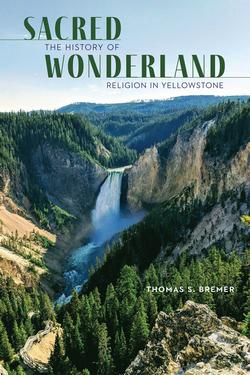
Sacred Wonderland: The History of Religion in Yellowstone
Tree graffiti: “This trail is a lovers’ arbor, a linear bower with a long memory of holding hands. After all, the primary symbols here are pluses and hearts, one kept safe in the bubble of the other.” A Body of Trees - Orion Magazine
Restoring grasslands with bison: “As the herds moved, their impact carried wide-ranging benefits. Their hooves served as rototillers in places, and their dung and urine was fertilizer that supplied
prairie grasses short and tall with nutrients. Bird species such as killdeer and lark sparrows found these grazed grasslands to their liking.” The Ecological Benefits Of Far-Ranging Bison Herds | National Parks Traveler
A late-summer run: “There are wildflowers on every side, tansy and Queen Anne's lace and goldenrod, the bright colors of late summer. This is one of my favorite seasons for running. The heat has mellowed, but it's not quite autumn.” An Oregon trail run:
Blackberries and flowers on Sauvie Island : NPR
Returning to Ohio has put me in mind of a favorite work of fiction, Toni Morrison’s novel Beloved. Written by a native Ohioan and set in Cincinnati, the
book is a powerful commentary on the brutal legacies of American slavery and racial violence in beautifully written prose by one of the world’s greatest storytellers of all time. But you likely know that already—if you went to high school any time after 1990, you probably read Beloved in school. Unless you were unfortunate enough to attend a school that banned controversial literature. Beloved ranks near the top of many lists of most treasured works in the canon of American
literature, but it also has been one of the most contested books in school curricula. If it’s been a while, it might be time to read it again—it will be on my reading list for the cold Ohio winter.
Late summer in the moonlight
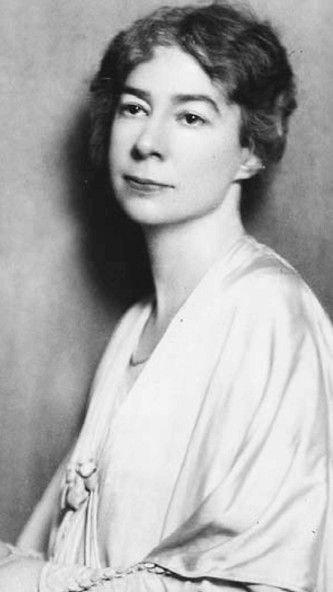
Poet Sara Teasdale enjoyed popularity during her lifetime, but fell out of favor among critics in the latter half of the twentieth century. In
recent years, she has regained recognition among some literary scholars. In this poem, Teasdale contemplates the end of summer much like how loved ones gaze wistfully in each other’s eyes at their parting. I especially appreciate Teasdale’s evocation of the nighttime symphony of late-summer insects.
September Midnight
Lyric night of the lingering Indian Summer,
Shadowy fields that are scentless but full of singing,
Never a bird, but the passionless chant of insects,
Ceaseless, insistent.
The grasshopper’s
horn, and far-off, high in the maples,
The wheel of a locust leisurely grinding the silence
Under a moon waning and worn, broken,
Tired with summer.
Let me remember you, voices of little insects,
Weeds in the moonlight, fields that are tangled with asters,
Let me remember, soon will the winter be on us,
Snow-hushed and heavy.
Over my soul murmur your mute benediction,
While I gaze, O fields that rest after harvest,
As those who part look long in the eyes they lean to,